How Long Does It Take to Install a New Driveway?
Installing a new driveway? Learn about timelines, steps, and what factors affect how long the process takes for perfect planning.
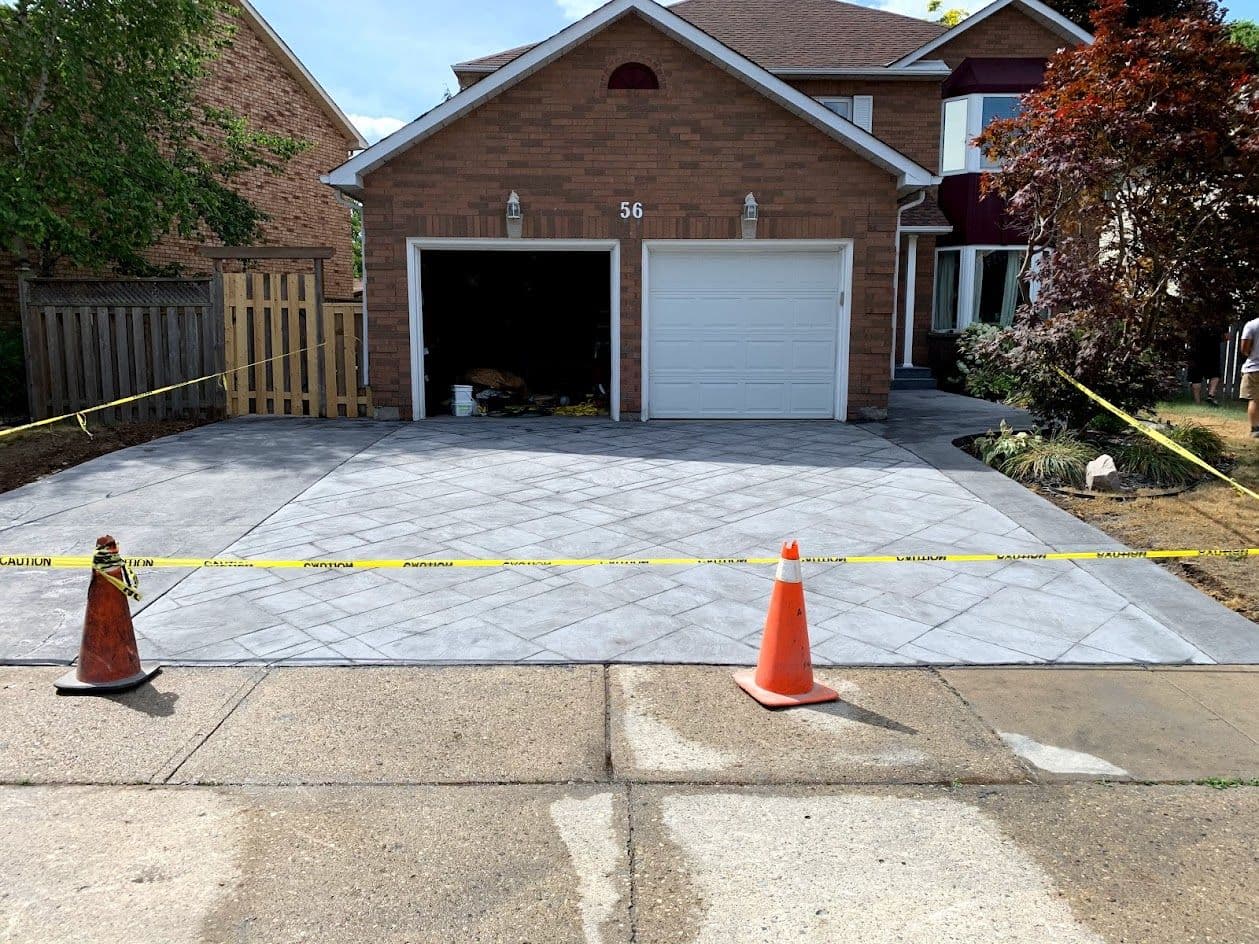
If you’re planning a new driveway, one of the first questions you’re probably asking is:
“How long is my driveway going to be torn up?”
It’s a fair concern. A driveway is a major access point to your home, and knowing the timeline helps you plan around vehicles, work schedules, and daily routines. The good news is that most driveway installations are completed faster than people expect — but the exact timeline depends on several key factors.
Below, we break down what actually goes into a driveway installation and how long each stage typically takes, so you know exactly what to expect.
Average Driveway Installation Timeline
For most residential homes, a new concrete driveway takes 3 to 7 days of active work, followed by a curing period before it can be fully used.
Here’s a high-level overview:
Simple replacement driveway: 3–4 days
Larger or decorative driveway: 5–7 days
Full cure before heavy vehicle use: 7–28 days
While some steps happen quickly, others require waiting time to ensure long-term strength and durability.
Step-by-Step Breakdown of the Installation Process
1. Site Preparation & Demolition (1 Day)
If you’re replacing an existing driveway, the first step is removing the old surface. This includes:
Breaking and removing old concrete or asphalt
Excavating to the proper depth
Removing unstable or soft subgrade material
For a standard residential driveway, this stage usually takes one full day. Larger driveways or ones with poor soil conditions may take slightly longer.
2. Base Preparation & Grading (1–2 Days)
A strong driveway starts with a solid base. This step is critical and should never be rushed.
During this stage, contractors will:
Install and compact granular base material
Grade the surface for proper drainage
Ensure correct slope away from the home
This typically takes 1 day, but may extend to 2 days if:
Soil conditions are poor
Additional base material is required
Drainage corrections are needed
3. Forming & Reinforcement (1 Day)
Once the base is ready, forms are installed to shape the driveway. Reinforcement is then added to improve strength and longevity.
This includes:
Setting forms to exact elevations
Installing steel rebar or wire mesh
Final checks for slope and thickness
This stage is usually completed in one day.
4. Concrete Pour & Finishing (1 Day)
The concrete pour is the most visible and exciting part of the process.
On pour day, the crew will:
Place and level the concrete
Apply the chosen finish (broomed, smooth, exposed aggregate, etc.)
Cut control joints to prevent cracking
For most residential driveways, this is completed in a single day.
5. Initial Curing & Protection (1–2 Days)
After the pour, the concrete needs time to set properly.
Foot traffic: typically allowed after 24 hours
Light vehicle traffic: after 5–7 days
Full strength: achieved around 28 days
During this time, the surface may be protected with curing compounds or coverings depending on weather conditions.
Factors That Can Affect Installation Time
Not all driveways are created equal. Several variables can impact how long your project takes:
Driveway Size & Design
Larger driveways naturally take longer
Decorative finishes and borders add time
Curves and custom layouts require more forming
Weather Conditions
Rain can delay pours
Extreme heat or cold affects curing time
Seasonal conditions play a big role in scheduling
Access & Site Constraints
Limited access for equipment
Tight urban lots
Nearby structures or landscaping
Permit or Inspection Requirements
Some municipalities require inspections before pouring, which can add an extra day or two to the schedule.
How Soon Can You Use Your New Driveway?
This is one of the most common follow-up questions.
General guidelines:
Walking: after 24 hours
Parking a car: after 5–7 days
Heavy vehicles: after 28 days
Following these timelines helps prevent surface damage, cracking, or long-term issues.
Overall Time vs. Long-Term Results
While it can feel inconvenient to wait a few extra days, proper installation and curing are what allow a concrete driveway to last 25–30 years or more.
Rushing any step — especially base preparation or curing — often leads to premature cracking, sinking, or drainage problems.
A quality contractor will prioritize doing it right over doing it fast.
Overall Price Estimates (Typical Ranges)
While timelines vary, driveway costs often correlate with complexity and size. As a general guideline in Southern Ontario:
Standard concrete driveway: $6,000 – $15,000
Larger or widened driveway: $15,000 – $20,000
Decorative finishes or borders: $18,000 – $25,000+
These estimates can vary based on access, base conditions, finish selection, and site preparation requirements.
Final Thoughts
Most new driveways are completed in under a week of active work, with a short waiting period before full use. Understanding the process helps set realistic expectations and ensures you’re prepared every step of the way.
If you’re considering a new driveway and want a clear timeline based on your specific property, working with an experienced local contractor is the best way to avoid surprises and get lasting results.