Driveway Replacement vs Repair: When Should You Replace?
Learn when to repair or replace your driveway. Get insights on costs, benefits, and scenarios to make the best decision for your property.
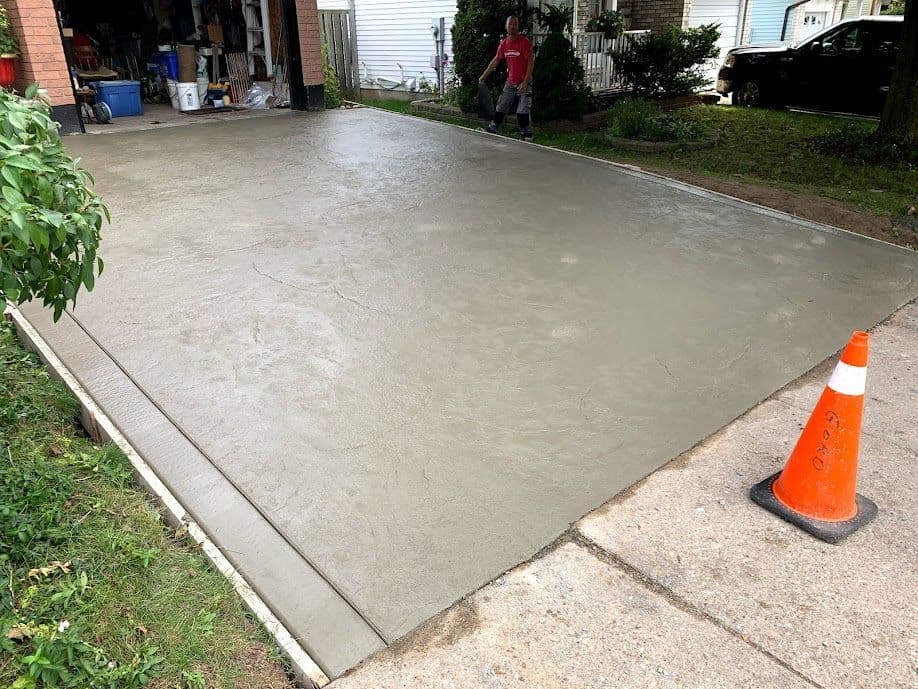
If your driveway is cracked, uneven, or starting to look tired, you’re probably asking yourself:
“Can this be repaired, or do I need to replace the whole thing?”
It’s a smart question — and an important one. In some cases, a simple repair can buy you years of extra life. In others, repairs are just a temporary fix that end up costing more in the long run.
In this guide, we’ll help you understand:
When driveway repairs make sense
When full replacement is the better investment
Cost differences between repair and replacement
How to make the right decision for your property
When Driveway Repair Makes Sense
Repairs can be a cost-effective solution if the underlying structure is still solid.
Minor Surface Cracks
Small, hairline cracks caused by:
Normal concrete shrinkage
Seasonal temperature changes
Minor settling
can often be filled and sealed.
Good candidate if:
Cracks are narrow and not widening
The surface is still level
There’s no widespread deterioration
Isolated Damage
If damage is limited to one small section, such as:
A chipped corner
A small sunken area
Edge deterioration
Spot repairs may be possible without replacing the entire driveway.
Relatively New Driveways
If your driveway is less than 10–15 years old and was built on a proper base, repairs can often extend its lifespan.
In these cases, repairs can add 5–10 more years with proper maintenance.
When Driveway Replacement Is the Better Option
There are times when replacement isn’t just recommended — it’s unavoidable.
Extensive Cracking or Scaling
If cracks are:
Widespread
Deep
Forming spider-web patterns
or if the surface is flaking and breaking apart (known as scaling), repairs are unlikely to last.
These issues usually point to:
Poor base preparation
Freeze-thaw damage
Long-term moisture penetration
Uneven or Sunken Sections
If parts of your driveway are:
Sinking
Sloping toward the house
Creating tripping hazards
the problem is usually beneath the surface.
Patching the top won’t fix:
Soil movement
Improper compaction
Drainage issues
Full replacement allows the base to be corrected properly.
Drainage Problems
Water pooling on your driveway is a major red flag.
Poor drainage leads to:
Accelerated cracking
Freeze-thaw damage
Long-term structural failure
Replacing the driveway allows the slope and grading to be corrected — something repairs can’t accomplish.
End of Lifespan
Most concrete driveways last 25–30 years when installed correctly.
If yours is approaching or beyond that age, ongoing repairs often become:
More frequent
More expensive
Less effective
At this point, replacement is usually the smarter long-term investment.
Cost Comparison: Repair vs Replacement
Typical Driveway Repair Costs
Crack sealing or patching: $300 – $1,000
Sectional repairs: $1,000 – $3,000
Surface resurfacing: $3,000 – $6,000
Repairs are cheaper upfront but may need to be repeated over time.
Typical Driveway Replacement Costs (Southern Ontario)
Standard concrete driveway: $10,000 – $15,000
Exposed aggregate: $18,000 – $25,000+
Stamped concrete: $20,000 – $30,000+
Replacement costs more initially but provides decades of durability when done correctly.
The Hidden Cost of Repeated Repairs
One of the biggest mistakes homeowners make is repairing a driveway that really needs replacement.
Over time, repeated repairs can:
Exceed the cost of a new driveway
Leave the surface looking mismatched
Fail unexpectedly during winter conditions
If you’re repairing the same areas every few years, replacement is usually the more cost-effective option.
How to Decide: A Simple Rule of Thumb
Consider replacement if:
More than 30–40% of the driveway is damaged
The driveway is uneven or sinking
Drainage issues are present
The driveway is near the end of its lifespan
Repairs make sense if:
Damage is isolated
The base is stable
The driveway is relatively young
Final Thoughts
Choosing between driveway repair and replacement comes down to understanding the condition below the surface, not just what you see on top.
While repairs can be a smart short-term solution, replacement offers a clean slate — allowing proper base preparation, drainage correction, and a fresh finish that lasts for decades.
If you’re unsure which option is right for your driveway, a professional assessment can help you avoid wasting money on fixes that won’t last.